
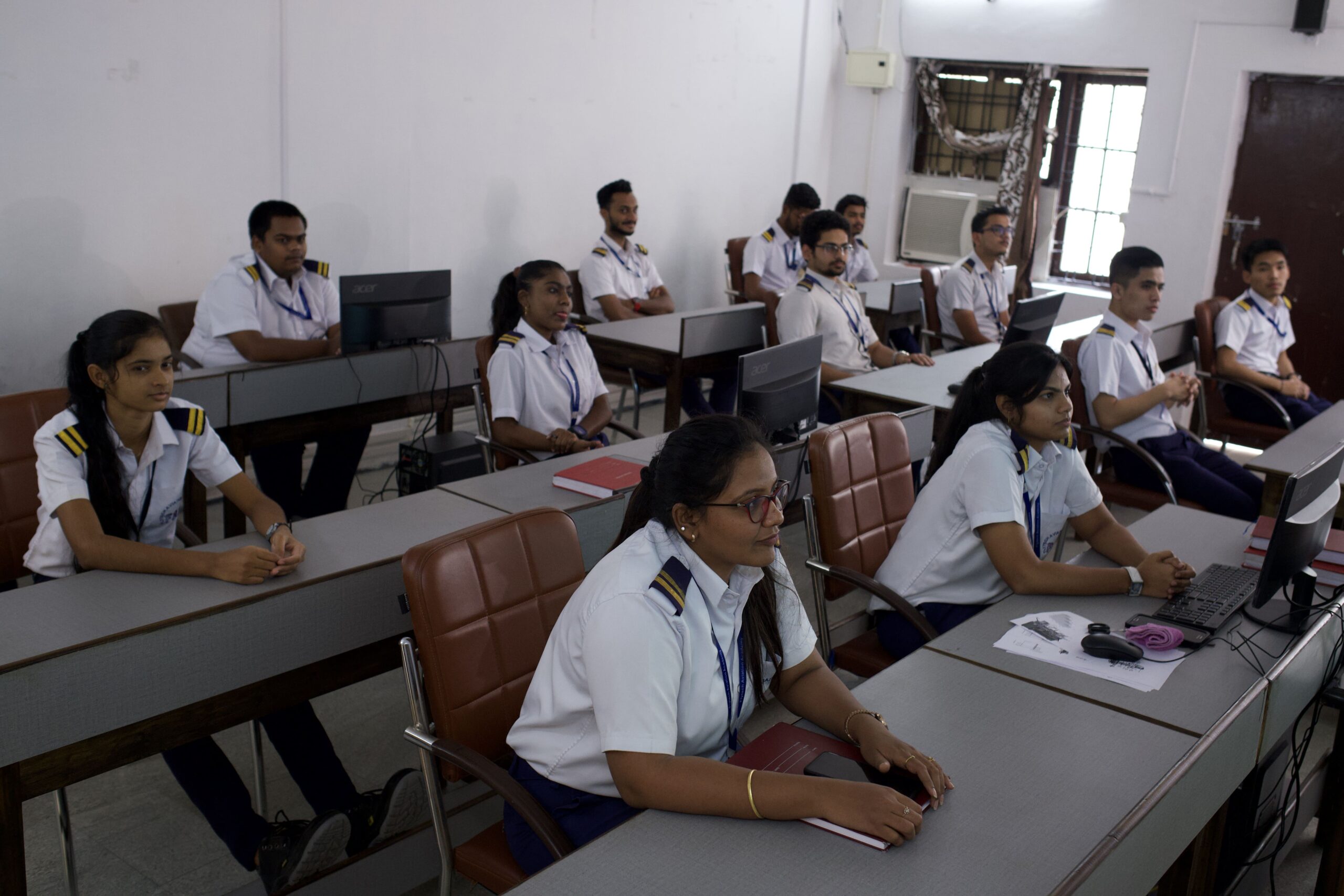
What to Do After B.Sc. Aviation? High-Growth Careers Beyond Flying
A B.Sc. Aviation degree opens doors far beyond becoming a pilot. While flying is a dream for many aviation students, the aviation industry today offers multiple high-growth career paths that combine technology, management, safety, engineering, and operations. For students studying at a reputed B.Sc. aviation college in Hyderabad or a recognized aviation training institute in Hyderabad, understanding these career pathways is key to making informed decisions.
Why B.Sc. Aviation Is a Powerful Foundation
A BSC in Aviation equips students with multidisciplinary knowledge, including:
- Aircraft systems and aerodynamics
- Airport and airline operations
- Aviation safety and regulations
- Air traffic fundamentals
- Meteorology and navigation
This foundation makes graduates suitable for technical, operational, managerial, and emerging aviation roles—not just cockpit careers.
High-Growth Career Options After B.Sc. Aviation
1. Airport Operations & Management
Airport management is one of the most sought-after careers after BSc aviation.
Roles include:
- Airport Operations Executive
- Ground Handling Manager
- Terminal Operations Officer
- Passenger Services Manager
With India expanding airport infrastructure rapidly, trained professionals from a strong aviation training institute in Hyderabad are in high demand.
2. Airline Operations & Flight Dispatch
If you enjoy planning, coordination, and responsibility, airline operations is an excellent option after BSC in Aviation.
Career options:
- Flight Dispatcher
- Airline Operations Officer
- Crew Scheduling Executive
- Network Planning Coordinator
These roles are critical to flight safety and efficiency and offer long-term career stability.
3. Aviation Safety, Quality & Compliance
Safety is the backbone of aviation, making this a future-proof career path.
Roles include:
- Aviation Safety Officer
- Safety Management System (SMS) Executive
- Compliance & Quality Auditor
Graduates from a reputed B.Sc aviation college in Hyderabad are well-positioned for these regulatory-focused roles.
4. Aircraft Maintenance Planning & Technical Support
You don’t need to be an engineer to work in technical aviation roles.
Career paths:
- Maintenance Planning Executive
- CAMO Executive
- Technical Records Analyst
These roles blend aviation knowledge with analytics and documentation, offering global career opportunities.
5. Drone & UAV Careers
One of the fastest-growing sectors after BSc aviation is drone technology.
Opportunities include:
- Drone Pilot
- UAV Operations Manager
- Drone Survey & Mapping Specialist
This sector is expanding across logistics, infrastructure, agriculture, and defence.
How Flytech Aviation Academy Supports Career Growth
As a leading aviation training institute in Hyderabad, Flytech Aviation Academy focuses on preparing students for real-world aviation careers, not just academic success.
Flytech supports students through:
- Industry-aligned aviation programs
- Practical exposure to aviation operations
- Career counselling and guidance
- Skill development beyond the classroom
For students pursuing BSc aviation, Flytech provides the clarity and direction needed to transition confidently into aviation careers.
Skills That Enhance Your Career After B.Sc. Aviation
Regardless of the path you choose, these skills are essential:
- Aviation regulations and compliance knowledge
- Communication and coordination skills
- Safety and risk management understanding
- Aviation English proficiency
- Adaptability to new technology
Graduates from a strong B.Sc aviation college in Hyderabad who develop these skills enjoy faster career growth.
Conclusion
A B.Sc. Aviation degree is not limited to flying—it is a gateway to multiple high-growth aviation careers. From airport management and airline operations to safety, drones, and aviation leadership roles, the opportunities are vast and evolving.
With the right guidance from institutions like Flytech Aviation Academy, students pursuing BSC in Aviation can build stable, respected, and future-ready careers in the global aviation industry.
FAQ’s
1. Is flying the only career option after B.Sc. Aviation?
No. While becoming a pilot is one option, a B.Sc. Aviation degree opens doors to airport operations, airline management, safety & compliance, drone operations, aircraft maintenance planning, and aviation management roles.
2. Are drone careers a good option after B.Sc. Aviation?
Yes. Drone and UAV careers are among the fastest-growing aviation sectors. B.Sc. Aviation graduates can work as drone pilots, UAV operations managers, survey specialists, or instructors with additional certification.
3. Can I move into management roles after B.Sc. Aviation?
Yes. With experience or an MBA, B.Sc. Aviation graduates can move into airline management, airport leadership, aviation consulting, and strategic planning roles.